

All About Rice Cakes: What You Should Know Benefits & Facts
Introduction
Rice cakes are a popular snack made by compressing puffed rice into a circular form. Known for their low-calorie content and versatility, they are often consumed as a healthier alternative to traditional snacks. However, their nutritional value and health benefits have been subjects of debate.
Nutritional Profile
A standard plain rice cake (approximately 9 grams) typically contains:
- Calories: 35
- Carbohydrates: 7 grams
- Protein: 1 gram
- Fiber: 0 grams
- Fat: 0 grams
- Niacin: 4% of the Daily Value (DV)
- Manganese: 15% of the DV
- Magnesium: 3% of the DV
- Phosphorus: 3% of the DV
- Zinc: 2% of the DV
While rice cakes are low in calories and fat, they also lack significant amounts of essential nutrients, fiber, and protein.
Health Implications
Weight Management
Rice cakes are often marketed as weight-loss-friendly due to their low-calorie content. However, their high glycemic index can lead to rapid spikes in blood sugar, potentially causing increased hunger and overeating. Pairing rice cakes with protein or healthy fats can enhance satiety and stabilize blood sugar levels.
Gluten-Free Option
Plain rice cakes are naturally gluten-free, making them suitable for individuals with celiac disease or gluten intolerance. Nonetheless, it’s essential to check labels for potential cross-contamination or added gluten-containing ingredients.
Diabetes Considerations
Due to their high glycemic index, rice cakes can cause rapid increases in blood glucose levels. Diabetics should consume them in moderation and consider combining them with foods rich in protein or fiber to mitigate blood sugar spikes.
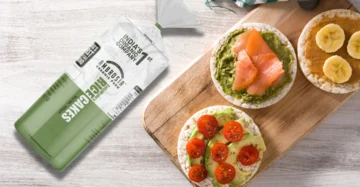
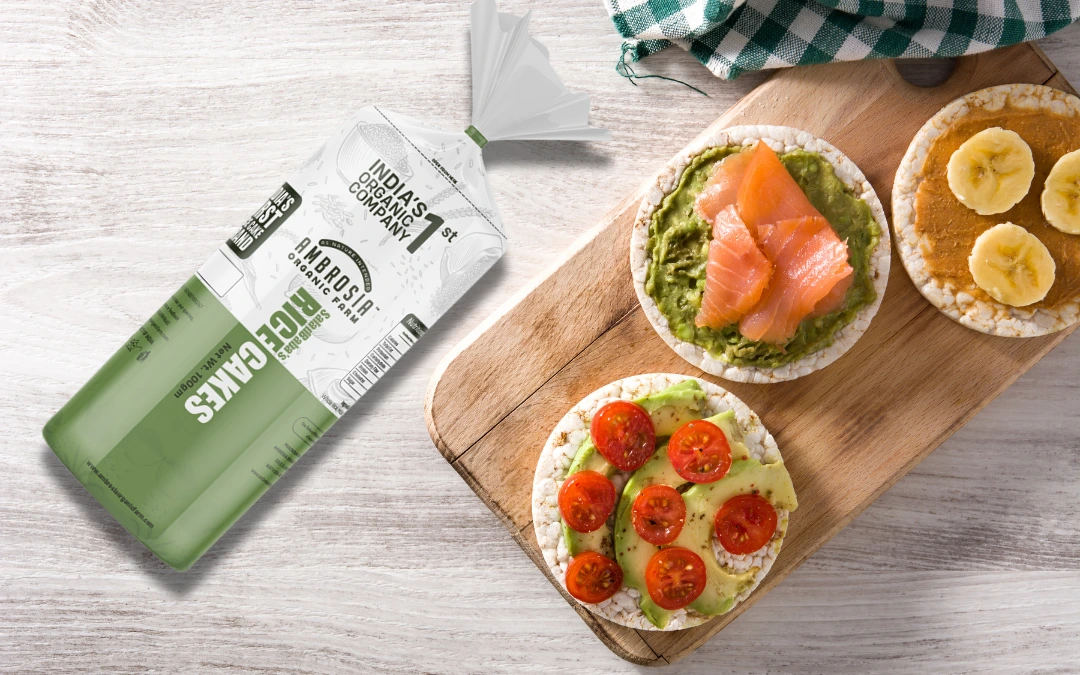
Best Toppings for Enhanced Nutrition
To improve the nutritional value of rice cakes, consider adding:
- Nut butters (e.g., almond or peanut butter)
- Avocado slices
- Hummus with vegetables
- Greek yogurt with berries
These additions provide essential nutrients, increase satiety, and enhance flavor.
Suitability for Children
Rice cakes can be a healthy snack option for children, especially when topped with nutrient-dense spreads. However, due to their texture, they should be given to children who can chew solid foods adequately to prevent choking hazards.
Storage and Shelf Life
To maintain freshness, store rice cakes in an airtight container in a cool, dry place. Once opened, they should be consumed within a week. Unopened packages can last up to six months.
Varieties Available in India
In India, rice cakes are available in various forms, including:
- Brown rice cakes
- Multigrain rice cakes
- Flavored options (e.g., lightly salted, unsalted)
Traditional Indian rice-based snacks like idli and puttu also fall under the broader category of rice cakes.
Purchasing Organic Rice Cakes in India
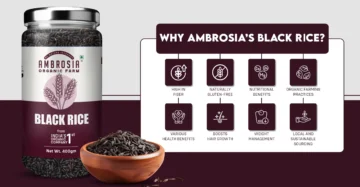
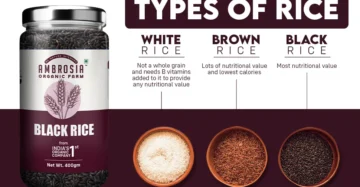
Organic rice cakes can be purchased online through platforms like Amazon India. Brands such as Pintola and Ambrosia Organic Farm offer a range of organic rice cake options catering to health-conscious consumers.
Conclusion
Rice cakes are a low-calorie, gluten-free snack option that can be part of a balanced diet when consumed in moderation and paired with nutrient-rich toppings. While they offer convenience and versatility, it’s essential to be mindful of their high glycemic index and limited nutritional content. Choosing whole-grain varieties and combining them with proteins or healthy fats can enhance their health benefits.
References
- Healthline. “Are Rice Cakes a Healthy Snack? Nutrition, Calories, and More.” LinkHealthline
- Times of India. “Are Rice Cakes really healthy? Here’s all you need to know.” LinkThe Times of India
- HealthKart. “Rice Cakes: Nutrition, Pros, Cons, And More.” LinkHealthKart
- Verywell Health. “11 Snacks for a Healthy Heart.” LinkVerywell Health
- Health.com. “Gluten-Free Snacks To Keep You Satisfied.” LinkHealth
- WebMD. “Rice Cakes: Are They Healthy?” LinkWebMD